Sunday 11 / October / 2026
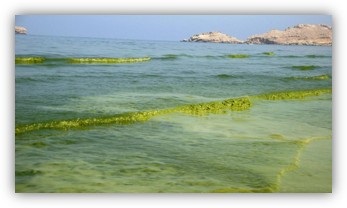
Muscat: A research project led by Sultan Qaboos University (SQU) has shed new light on the environmental factors driving the formation and movement of harmful algal blooms along Oman’s northern coast, with findings that could help protect desalination plants, fisheries and aquaculture operations.
The project, titled “Formation, Characteristics and Advection of Harmful Algal Blooms (HABs) along Northern Omani Coast”, was funded by the Strategic Research Programme of the Research and Innovation Authority in collaboration with the Ministry of Agriculture, Fisheries and Water Resources. It was led by Prof. Sergey Dobretsov, UNESCO Chair in Marine Biotechnology at SQU’s College of Agricultural and Marine Sciences and Centre of Excellence in Marine Biotechnology.
According to Prof. Dobretsov, harmful algal blooms occur frequently in the Sea of Oman and can affect fisheries and aquaculture, disrupt desalination plants, interfere with marine activities and potentially affect tourism. The research aimed to improve understanding of the ecology of these blooms, identify the main environmental factors driving their development, and examine how they are transported and dispersed along the northern coast. The team combined biological sampling with advanced oceanographic technologies, including sea gliders, to monitor water conditions, circulation patterns and changes in marine ecosystems.
The findings revealed that harmful algal blooms in the Sea of Oman are influenced by a complex combination of environmental and oceanographic processes, including monsoon-driven winds, ocean currents, coastal upwelling, the outflow of water from the Arabian Gulf, internal tides and ocean eddies. Seasonal changes in water-column mixing and the thermocline — the layer separating warmer surface water from colder deep water — were also found to influence nutrient availability and phytoplankton biomass.
The team observed changes in phytoplankton communities over time, with diatoms becoming dominant during 2018–2019. Noctiluca scintillans was identified as a major bloom-forming species in both surface and subsurface waters.
The study also investigated the role of the oxygen minimum zone, where dissolved oxygen levels are particularly low. The findings indicate that nutrient-rich upwelled waters, combined with low-oxygen conditions, may contribute to bloom formation. Meanwhile, the inflow of more oxygenated water from the Arabian Gulf can alter the depth and characteristics of the oxygen minimum zone.
The researchers also examined bacteria associated with harmful algal blooms. Bacillus species were the most abundant bacterial isolates recorded during the sampling period, while analyses revealed clear differences in bacterial communities between bloom and non-bloom phases. The findings suggest a possible relationship between the abundance of Noctiluca scintillans and bacterial community diversity. Potentially pathogenic bacterial strains were also detected, underscoring the need for continued monitoring and further research into interactions between harmful algal blooms and marine microbial communities.
Based on the findings, Prof. Dobretsov recommended strengthening real-time monitoring at desalination plant intake points. Key indicators should include chlorophyll-a, turbidity, dissolved oxygen levels and the presence of harmful algal species to support early detection and rapid response.
He also recommended optimising pretreatment systems to manage high algal biomass and organic matter more effectively, reducing membrane fouling and associated operating costs. Desalination plants should maintain flexible contingency plans for severe bloom events, including reducing intake rates, temporarily suspending operations or switching to alternative water sources where possible.
For fisheries and aquaculture, Prof. Dobretsov recommended considering historical bloom occurrences, water circulation patterns, pollution sources and the influence of oxygen minimum zones when selecting sites. Continuous monitoring of dissolved oxygen, temperature, salinity, chlorophyll and other water-quality indicators can provide early warnings of bloom development.
Aquaculture facilities should also establish emergency response measures, including reducing feeding, increasing aeration or oxygen supply, improving water exchange and relocating stock when necessary.
Prof. Dobretsov further emphasised the importance of stronger collaboration among research institutions, government agencies and industry to improve harmful algal bloom forecasting, develop more effective treatment technologies and strengthen mitigation strategies.
The project has resulted in four publications in peer-reviewed scientific journals and 10 presentations at international conferences. Three workshops have also been organised on harmful algal blooms, sea gliders and oceanography.
The research team was led by Prof. Dobretsov as principal investigator, with Dr. Gerd Bruss as co-principal investigator. Other members included Dr. Khalid Al Hashmi, Dr. Aisha Al Wahaibi, Dr. Ahmed Sana and Dr. Talal Etri.