Thursday 15 / January / 2026
Muscat: A report issued by the International Monetary Fund (IMF) mission, which visited the Sultanate of Oman as part of the 2025 Article IV consultations, affirmed the continued strength and stability of the Omani economy and its resilience amid rising global uncertainty, including energy market volatility, tighter financial conditions, and ongoing geopolitical tensions.
The report, adopted by the IMF Executive Board, noted that economic activity in Oman continues to expand, supported by strong growth in non-oil sectors, while inflation remains low and well contained. It also highlighted that fiscal and external accounts remain generally sound, underpinned by prudent macroeconomic management and the continued implementation of structural reforms.
The IMF stated that these positive outcomes reflect the effectiveness of economic and fiscal policies aimed at maintaining stability and supporting sustainable growth. Inflation remained at safe levels despite a slight increase to 0.9 percent during the period from January to October 2025, compared to 0.6 percent in 2024, reflecting the measures adopted to contain price pressures.
According to the report, these inflation levels support monetary stability and enhance confidence in the financial system. It also confirmed that Oman’s economic performance continued its positive momentum, recording growth of 2.3 percent in the first half of 2025, driven primarily by the expansion of non-oil sectors, thereby strengthening economic diversification and supporting financial development.
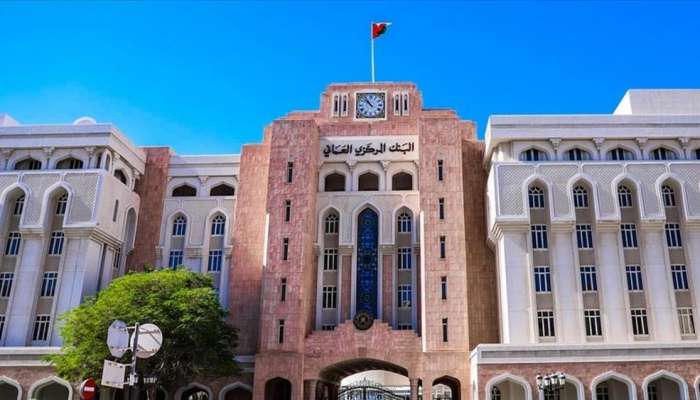
The assessment further revealed that the Omani banking sector remains well capitalised, with strong capital adequacy ratios, ample liquidity, improved profitability, and high-quality assets. These indicators underscore the robustness of the regulatory and supervisory framework and the continued efforts of the Central Bank of Oman to safeguard financial stability, enhance resilience to external shocks, and mitigate systemic risks.
The IMF added that despite a modest current account deficit estimated at around 1.1 percent of GDP in 2025 due to lower oil prices, Oman’s fiscal and external positions remain strong. Over the medium term, growth prospects and fiscal and external balances are expected to remain robust, supported by continued non-oil sector growth, a gradual increase in oil production, and sustained reform implementation under Oman Vision 2040, including initiatives to develop the financial sector and promote digital transformation.
For its part, the Central Bank of Oman reaffirmed its firm commitment to maintaining monetary and financial stability, ensuring a resilient and sound banking sector, and contributing to the achievement of sustainable economic growth.