Sunday 28 / June / 2026
MUSCAT: It was well past midnight on Friday when Ousmane Dembélé completed a sensational hat-trick to inspire France to a commanding 4-1 victory over Norway in their FIFA World Cup Group I game.
As the final whistle blew, football fans across Oman celebrated another memorable World Cup night—but many also knew they had traded a good night’s sleep for 90 minutes of footballing brilliance.
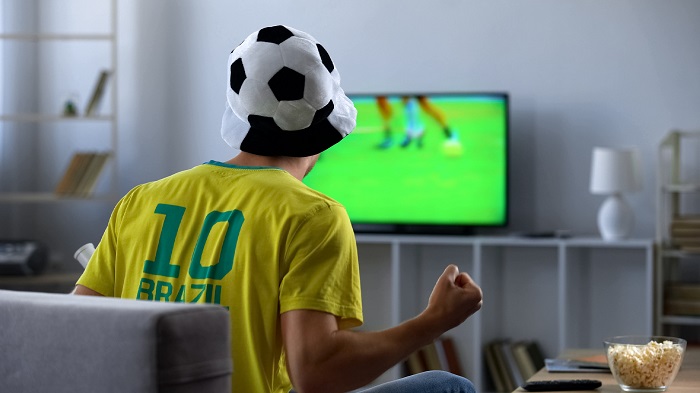
From homes and cafés to majlis gatherings, bedtime has quietly become a casualty of the ongoing FIFA World Cup.
With several matches kicking off late in the evening and stretching into the early hours, sleep patterns across the Sultanate have shifted dramatically as supporters stay glued to television screens for every goal, upset and penalty drama.
For many, the routine has become all too familiar—sleep after midnight, wake up early for work, and repeat the cycle the next evening as another blockbuster fixture awaits.
While the excitement of football’s biggest tournament is undeniable, medical experts caution that repeatedly sacrificing sleep can take a toll on both physical and mental well-being.
“Maintaining a consistent sleep schedule is very important as it helps preserve our circadian rhythm,” said Dr Pradeep Maheswari, Senior Internal Medicine Specialist at KIMSHealth Hospital, Muscat.
“During occasional late-night events such as World Cup matches, people can compensate for reduced sleep by taking a short nap during their free time.
“They should also reduce screen time on other platforms and avoid caffeine-containing drinks or other stimulants late at night so they can fall asleep soon after the match.”
According to Dr Maheswari, it is equally important to allow the body and mind to unwind after an emotionally charged encounter.
“After an exciting game, reading a book or listening to calming music before going to bed can help induce sound sleep. Adequate sleep every day is essential for relieving stress and maintaining good health,” he said.
Doctors say the occasional late night is unlikely to cause lasting harm, but several consecutive nights of disrupted sleep can affect concentration, mood, productivity and decision-making, leaving many fans struggling to get through the following day.
Simple lifestyle changes, however, can help football lovers enjoy the World Cup without completely derailing their sleep schedule.
A 20 to 30-minute nap before a late-night kick-off can reduce sleep debt without interfering with nighttime rest. Fans are also advised to limit coffee and energy drinks to the early part of the match, as caffeine consumed close to bedtime can keep the brain alert long after the celebrations end.
Nutrition matters too. Heavy late-night meals and greasy snacks can interfere with digestion and sleep quality, making lighter alternatives such as fruit, yoghurt, nuts or whole-grain snacks a healthier choice during the game.
Perhaps the toughest challenge comes after the final whistle. While the temptation is to scroll endlessly through social media reactions, highlights and post-match debates, experts say additional screen time only delays sleep further. Instead, a few quiet minutes of reading, light stretching or listening to relaxing music can help the body transition into rest mode.
With the World Cup entering the knockout stage where every match carries greater significance, football fever is only expected to intensify.
For thousands of passionate fans across Oman, the biggest challenge over the coming weeks may not be predicting who lifts the trophy—but finding the right balance between chasing football’s greatest moments and protecting the precious hours of sleep they lose along the way.