Tuesday 10 / November / 2026
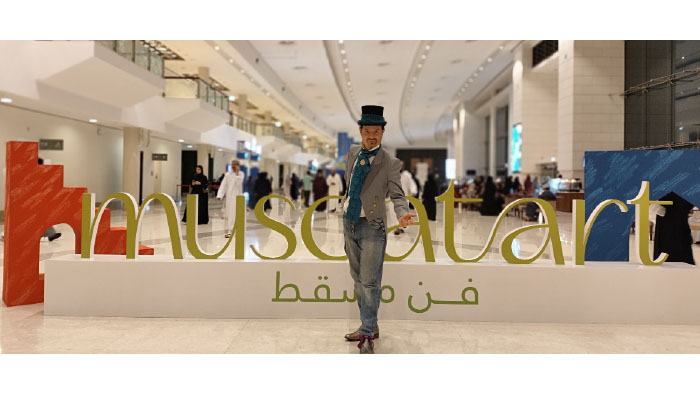
Muscat: Muscat Art 2026, which concluded on October 30 at the Oman Convention and Exhibition Centre (OCEC), brought together hundreds of artists from Oman and abroad for a three-day celebration of contemporary art and creativity.
The fifth edition of the exhibition was inaugurated on October 28 under the patronage of HH Sayyid Bilarab bin Haitham Al Said, Minister of State and Governor of Muscat.
Centred on the theme ‘Art Everywhere’, the exhibition explored the relationship between art, identity and the spaces people inhabit, extending artistic expression beyond traditional galleries into architecture, heritage and everyday life.
The event also aimed to strengthen Oman’s position as a regional cultural destination while providing opportunities for artistic exchange and collaboration.
Alongside the exhibition, visitors attended workshops, panel discussions and Art Talks focusing on the evolving creative industries and the role of art in cultural development.
Organised by OCEC, Muscat Art also seeks to provide Omani artists with opportunities to reach international audiences and strengthen connections with artists and cultural institutions worldwide.
Among the international participants were Italian polymathic artists and intercultural promoters Luca Moretti and Lucia Oliva, who have been associated with Muscat Art since its debut in 2019.
The duo brought a fresh, distinctive twist this year’s edition, perfectly in tune with their multifaceted approach to the art world, which spans theatre, literature and cinema alongside the figurative arts.
Their participation unfolded as a journey of encounters with exhibitors from different countries to explore the diverse expressions of creativity through conversations with artists and cultural representatives.
Their participation featured an original multidisciplinary project titled ‘Routes of Art’, through which they presented themselves as living works of art, combining visual arts, fashion and performance.
They devised an original signature look as a couple, specially designed and created by themselves in each detail, reflecting their interest in intercultural dialogue.
Moretti’s ensemble blended elements inspired by the early 19th-century Italian gentleman with contemporary casual fashion, including hand-painted shoes and an embellished top hat.
Olivia’s out-fit drew inspiration from Omani traditions, particularly the Dhofari thobe.
Her garment featured a 5 metre long train decorated with a multitude of handmade papier-mâché boats, offering a stunning polychromatic interpretation of the region’s cultural heritage interwoven with the country’s ancient seafaring traditions.
She completed the ensemble with a hat, once more of her own design and making, inspired by the Italian Belle Époque.
The artists said their experience went beyond appreciating the artworks on display, with intense moments of dialogue with fellow artists offering insights into the inspiration, stories and creative journeys behind individual works.
Their experience was documented with the support of Omani photographer Quasi Abdullah Al Maimani, whose photographic work formed part of their artistic narrative.
Moretti and Oliva also highlighted the Bilarab bin Haitham Initiative, a strategic partner of the event, which participated in cooperation with the Ministry of Culture, Sports and Youth and the Ministry of Heritage and Tourism.
They were fascinated by the dedicated pavillion showcasing a selection of modern and contemporary artworks from the Royal Court Affairs collection, including paintings by renowned Omani artist Yousuf Al Nahwi.
The Italian artists also interacted with students from the Military College, whose participation has been a feature of Muscat Art since its first edition in 2019. The encounter highlighted the role of artistic expression in institutions traditionally associated with discipline and military training.
Another memorable interaction was with the Omani Association for People with Hearing Disabilities.
The artists admired works created by the association’s members, highlighting how art can serve as a powerful means of communication beyond spoken language.
Thanks to their original concept and skillful work as intercultural promoters, echoes of the event also attracted international attention on the exhibition, with Italian art critic Massimiliano Reggiani preparing articles for specialised publications in Italy, introducing international readers to the latest edition of Muscat Art.
Through its diverse participants, artistic expressions and cultural encounters, Muscat Art 2026 reinforced the role of art as a bridge connecting people, traditions and countries.




