Tuesday 24 / November / 2026
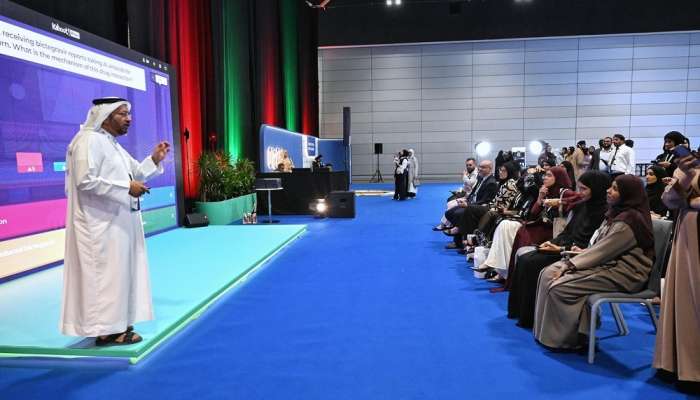
Muscat — The thirteenth edition of Oman International Pharmacy Congress recommended today at the conclusion of its proceedings the establishment of pharmacy residency programs and the development of career pathways in cooperation with the Saudi Commission for Health Specialties, benefiting from international expertise in qualifying supervisors and preparing for international accreditation, alongside enhancing national competencies in the fields of precision medicine and advanced therapies.
The recommendations of the Congress and its accompanying exhibition, held at Oman Convention and Exhibition Centre with the participation of more than 1,500 participants from 13 countries over three days, affirmed the importance of updating the pharmaceutical education and training system to keep pace with rapid transformations in technology, artificial intelligence, innovation, and future specialties.
The recommendations called for building specialized national competencies in pharmacogenomics, contributing to selecting appropriate treatments for patients according to their genetic characteristics and ensuring their laboratory recording and analysis using advanced technologies, thereby enhancing the optimal and safe use of medicines.
They underscored the importance of qualifying specialized pharmaceutical cadres in managing biological, gene, cellular, and immune therapies—including CAR-T cell therapy—and monitoring their safety and efficacy, alongside expanding international partnerships for knowledge transfer, building national capacities, and developing pharmaceutical practices.
The conference recommended integrating Health Technology Assessment (HTA) into the development of clinical practice guidelines through preparing a national guide in coordination with the UK's National Institute for Health and Care Excellence (NICE), outlining mechanisms for utilizing assessment results when formulating clinical recommendations, thereby supporting evidence- and value-based therapeutic decisions.
In the field of drug quality and patient safety, the recommendations stressed developing an integrated national methodology covering the various stages of the drug chain—starting from research, manufacturing, registration, and regulation, passing through storage, distribution, and dispensing, up to use and follow-up—thereby ensuring the quality of medicines and patient safety.
They affirmed the importance of enhancing drug security and localizing the pharmaceutical industry by supporting local manufacturing, transferring technologies, and diversifying supply sources, ensuring the continued availability of essential and critical medicines and strengthening the health system's ability to confront challenges and disruptions in supply chains.
The recommendations called for preparing and implementing joint initiatives that respond to patient needs, with the participation of pharmaceutical education institutions, the pharmaceutical industry, pharmaceutical practitioners, and entities concerned with supply chains, with the aim of improving access to medicines, enhancing the safety of their use, and improving therapeutic outcomes.
Within the framework of Gulf cooperation, the conference recommended developing a joint framework to enhance the resilience of pharmaceutical supply chains during crises, based on the outcomes of the Gulf workshop, provided that it includes early warning mechanisms for drug shortages, exchanging information on their availability, and coordinating response and mutual support among the GCC countries, alongside expanding cooperation with countries of the region to strengthen drug security.
These recommendations come as an extension of the scientific themes discussed by the conference over three days, which addressed the future of pharmacy, precision medicine, and advanced therapies, the role of artificial intelligence in developing pharmaceutical practices, health technology assessment, sustainability in pharmaceutical industries, and ways to enhance integration among various parties of the pharmaceutical ecosystem.
The proceedings of the Congress aimed to strengthen cooperation among the sectors of pharmaceutical practice, education, scientific research, pharmaceutical industries, and regulatory bodies, develop patient-centered practices, and support innovation and digital transformation, thereby contributing to elevating the quality of health services and reinforcing the Sultanate of Oman's position as a regional hub in the fields of pharmacy and healthcare.